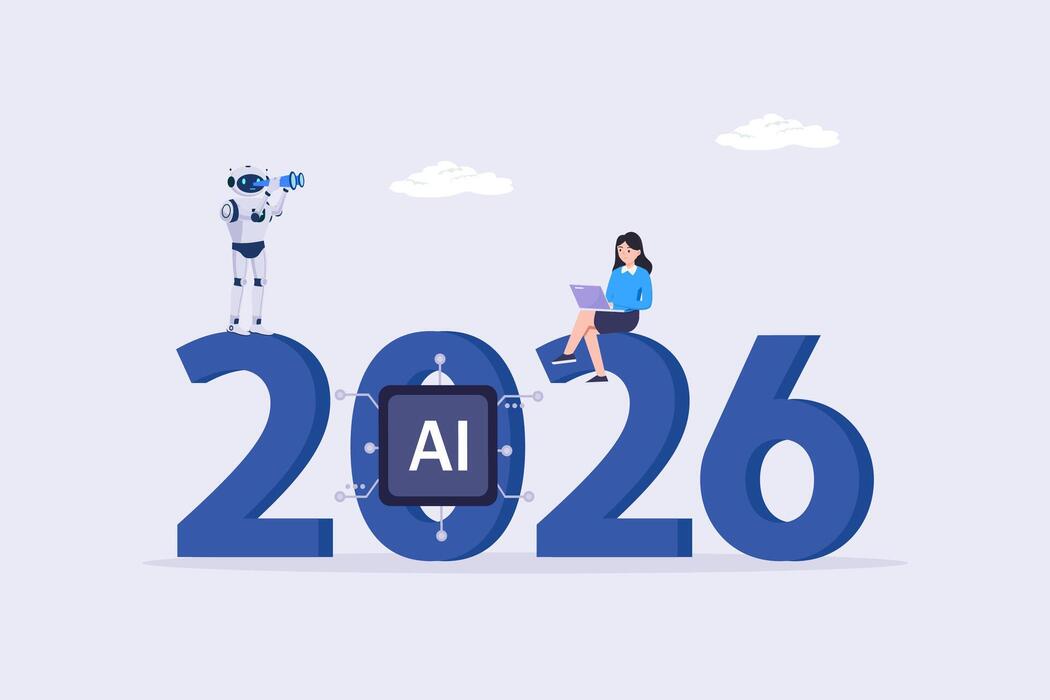
As we approach 2026, artificial intelligence (AI) has firmly established itself as the engine driving digital transformation across industries worldwide. The rapid evolution of AI technologies is reshaping how businesses operate, innovate, and engage with customers, leading to unprecedented levels of efficiency and creativity. By integrating advanced machine learning algorithms, natural language processing, and intelligent automation into everyday processes, organizations are not only optimizing their workflows but also unlocking new opportunities for growth.
One of the most significant impacts of AI in 2026 lies in its ability to analyze vast amounts of data with remarkable speed and accuracy. This capability enables companies to derive actionable insights that were previously unattainable through traditional methods. For instance, predictive analytics powered by AI allows businesses to anticipate market trends, customer preferences, and potential risks well in advance. Consequently, decision-makers can craft strategies that are more informed and agile in an increasingly competitive landscape.
Moreover, AI-driven automation continues to transform operational efficiency by taking over repetitive tasks and freeing human workers to focus on higher-value activities. In sectors such as manufacturing, finance, healthcare, and retail, intelligent robotic process automation (RPA) streamlines routine functions like data entry, invoice processing, or supply chain management. This shift not only reduces substack errors but also accelerates turnaround times while lowering costs. As a result, organizations can allocate resources more effectively toward innovation and customer-centric initiatives.
Customer experience has also been revolutionized by AI advancements in 2026. Conversational agents powered by sophisticated natural language understanding now provide personalized interactions around the clock across multiple channels-be it chatbots on websites or voice assistants embedded within smart devices. These systems learn from each interaction to offer tailored recommendations and resolve issues promptly without human intervention when appropriate. Such seamless engagement enhances satisfaction levels while building stronger brand loyalty.
In addition to business applications, AI plays a pivotal role in addressing global challenges through digital transformation efforts focused on sustainability and social good. Smart energy grids optimized by AI balance supply-demand dynamics efficiently; precision agriculture leverages machine learning models for resource conservation; healthcare diagnostics benefit from enhanced image recognition tools facilitating early disease detection-all contributing toward a smarter planet.
However promising these developments are for 2026’s digital landscape they come paired with ethical considerations surrounding privacy protection , algorithmic bias , transparency ,and accountability . Organizations must adopt responsible AI frameworks ensuring fairness , inclusivity,and security remain at the forefront as technology becomes ever more ingrained within society .
In conclusion , artificial intelligence stands as the cornerstone powering digital transformation journeys heading into 2026 . Its capacity to process complex information swiftly automate mundane tasks improve user experiences while fostering sustainable solutions makes it indispensable across domains . Embracing this technological revolution thoughtfully will enable enterprises not only survive but thrive amid continuous change shaping our future world .
About the Author